Get Instant traffic and business outreach
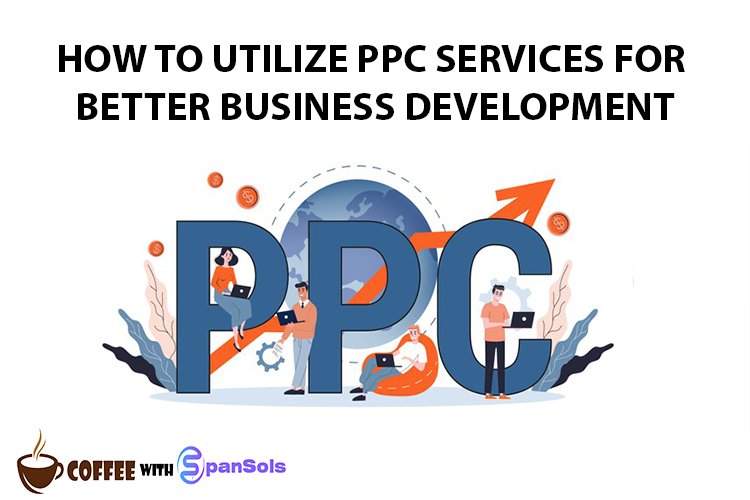
Pay-per-click marketing is a type of marketing where search engine advertising is used to generate clicks to your website, rather than “earning” those clicks organically. These are generally sponsored ads which you often see at the top of Google’s search results page.
PPC marketing is one of the most effective forms of online marketing as it brings instant traffic to its customers and is considered to get faster results in comparison to techniques such as SEO and social media marketing. A PPC campaign drives targeted traffic to the business website which inturn increases the conversion rates for higher revenues. It involves choosing the right keywords, putting them up at the right places, and making compelling landing pages, a lot is involved.
How PPC Works
Keywords
Keywords are the actual words that users type into the search box of a search engine to find results. These keywords are used by marketers to target these users by matching their search results. Depending on the keywords they use, advertisers can match search results with including irregularities like misspellings.
For example, advertisers can choose to match keywords with search queries exactly or to allow for variations such as different orderings of the words, different spellings, or the inclusion of other words. It is also possible to have negative keywords, which will prevent ads from being triggered by search queries containing those keywords, to avoid irrelevant traffic.
Ads
Advertisers prepare ads in their campaigns along with keywords. These ads are grouped together with ads of similar themes or with a similar set of keywords. Ads generally contain headlines, description lines, and a URL and are shown to users if the auction is won. On a search engine results page, the ads can be shown either on top of the results or at the bottom of the page.
Ad Service providers like Google Ads and Microsoft Ads provide ad extension features that enhance the appearance of ads and it is necessary to test different versions of ad copy to see what performs best. Ad extensions are great as they increase the visibility of ads by making them more engaging to users while communicating more information.
Budgets & Bids
Advertisers need to decide how much they’re willing to spend on a given keyword to participate in the auction. Budgets are set at the campaign level and can be exceeded daily, but will not be overspent monthly. Budgets are used at a campaign level and bids are used at the ad group or keyword level. Budgets should be set according to the overall account strategy, but bids are a more precise way of controlling spending. All ad groups must have bids, but keyword-level bids override ad group-level bids.
Many advertisers use automated bidding strategies. These allow advertisers to set a specific goal for their campaigns and then have the advertising platform determine the most appropriate bid for each auction. Bid strategies can be applied to individual campaigns or a portfolio of multiple campaigns and the actual amount paid by the advertiser is dependent on competitor activity and ad rank, not just the maximum bid.
Ad Rank
Search engines use their own methods of factoring in other elements, look at other factors to determine which ads should be at the top and most valuable spot on the SERP. AdRank is most imporatant for winning an auction even having the highest bid.
Many Search engines consider:
- Bid amount.
- Ad relevance and quality.
- The context of the search (such as the user’s device and time of day)
- Quality Score determining ad relevance
- click-through rate (CTR)
- relevance of the keyword to the ad
- The relevance of the keyword and ad to the search results
- Landing page quality ..etc
Targeting
Choosing the right keywords is what allows advertisers to show ads to relevant audiences. But there are other targeting options available to optimize campaigns, including:
- Device targeting.
- Location targeting.
- Day and time targeting.
- Demographic targeting.
These are valuable because different variations of ad copy, for example, might perform better for one group of users than for another. Using remarketing tools that allow for more specific ad copy messaging and adjusted budgets, it can also be possible to target or exclude past visitors to a website who do follow-up searches. Bids can be automatically adjusted for keywords based on targeting options, giving advertisers more control over traffic and spend by bidding when customers are more valuable to the business.
Conversions
The point of all this hard work isn’t just to get clicks. The real end game is to obtain conversions. These are the actions that advertisers want users to complete after clicking on their ad and depend on the type of business being advertised. Common examples of conversions are: Purchasing a service. Signing up for a newsletter. Placing a phone call. And more. It’s vital to track conversions to know whether a PPC campaign is doing well and how many conversions can be attributed to paid search rather than other marketing channels. Platforms like Google Ads can track conversions using a snippet of code placed into the source code of the conversion page (which is reached after conversion, like a thank you page) to collect conversion data.
Conversion tracking can be tricky because conversion paths also tend to be more complicated than a simple click on an ad and a direct purchase. They often include multiple searches and website visits or can lead to an email, phone call, or in-store visit. Using an analytics service like Google Analytics can help decide how credit for conversions is assigned to conversion paths.